Zoning for Campground: A Comprehensive Guide to Regulations and Compliance
Share:


Discover essential zoning regulations for campgrounds with our comprehensive guide.
Summarize in


Guide to Zoning for Campground
Thinking about turning that beautiful patch of land into a campground? It’s an exciting venture, but before you pitch your first tent or welcome your first camper, there’s a crucial step you can’t skip: zoning. Understanding zoning laws and regulations is the backbone of creating a safe, legal, and thriving campground. Let’s dive into what zoning means for campgrounds, why it matters, and how you can navigate the process with confidence.
What Is Zoning and Why Does It Matter for Campgrounds?
Zoning is essentially the rulebook that local governments use to decide what kind of activities can happen on specific parcels of land. It’s like the blueprint for your community’s growth and development. Some areas are zoned for residential use, others for commercial, industrial, agricultural, or recreational purposes. Campgrounds typically fall under recreational or special use zoning categories, but it varies widely depending on where you are.
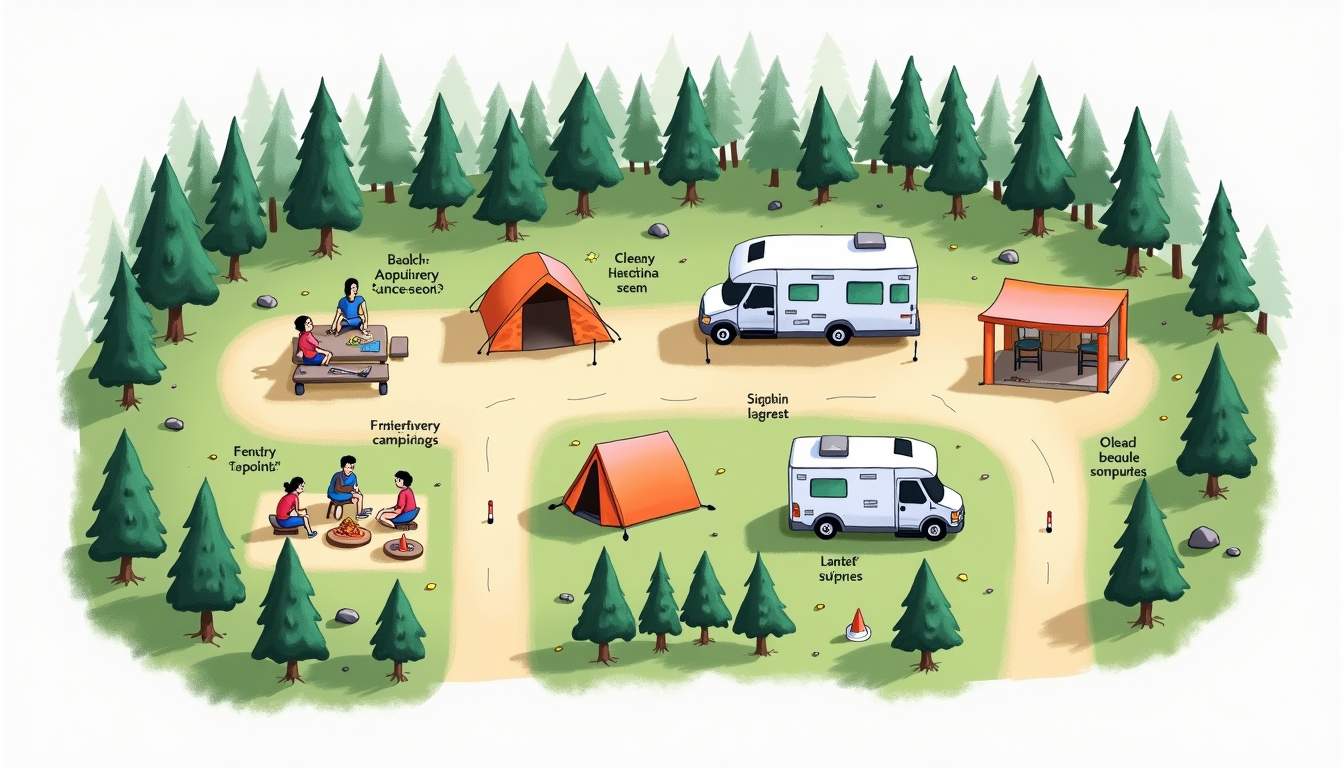
Why does this matter to you? Because if your land isn’t zoned for campground use, you could face fines, forced closure, or expensive modifications down the road. It’s not just about legality; zoning ensures your campground fits into the neighborhood safely and responsibly, protecting both your investment and your guests.
How Zoning Affects Your Campground Plans
Imagine you’ve found a gorgeous spot near a lake, perfect for camping. You start setting up sites, but then a neighbor complains, and the city finds out the land is zoned residential. Suddenly, you’re in hot water. This scenario is more common than you might think. Zoning affects everything from where you can place campsites, to how many you can have, and even what amenities you can offer.
For example, some zones might limit the number of RV hookups, restrict permanent structures, or require specific setbacks from roads or water bodies. Understanding these rules early saves headaches and helps you design a campground that’s both compliant and appealing. Additionally, zoning regulations can also dictate the types of recreational activities allowed on your property. For instance, if your campground is in a zone that permits only low-impact activities, you may be restricted from offering more adventurous options like zip-lining or off-road biking, which could affect your overall business model and guest experience.
Moreover, zoning laws can influence the environmental considerations you need to take into account. Many areas have regulations aimed at protecting local wildlife and natural resources, which could affect how you manage waste disposal, water usage, and landscaping. Being aware of these environmental zoning requirements not only helps you stay compliant but also enhances your campground's appeal by promoting sustainability. Guests today are increasingly looking for eco-friendly options, and demonstrating a commitment to environmental stewardship can set your campground apart in a competitive market.
Types of Zoning Relevant to Campgrounds
Not all zoning classifications are created equal. Knowing which category your property falls into is the first step in figuring out what’s possible.
Recreational Zoning
This is the most straightforward zoning for campgrounds. Recreational zones are designed for parks, campgrounds, and other leisure activities. If your land is already zoned recreational, you’re off to a great start. However, even within this category, there can be rules about density, types of camping allowed (tent, RV, cabins), and environmental protections. For instance, some recreational zones may impose limits on the number of camping sites per acre to prevent overcrowding and protect natural resources. Additionally, there may be guidelines regarding the preservation of green spaces and wildlife habitats, ensuring that the campground remains in harmony with the surrounding environment.
Agricultural Zoning
Many campgrounds start on agricultural land, especially in rural areas. Some municipalities allow campgrounds as a conditional use in agricultural zones, meaning you’ll need special permission or a permit. This can be a good option if recreational land is scarce or expensive, but it often comes with more hoops to jump through. In some cases, agricultural zoning may require that a portion of the land be dedicated to farming activities, which can limit the size and scope of the campground. Furthermore, understanding the local agricultural practices and seasonal cycles can be beneficial, as they may influence the best times for operating a campground and the types of amenities you can offer to your guests.
Residential and Commercial Zoning
Residential zones usually don’t allow campgrounds, but there are exceptions, especially for small-scale or temporary camping operations. Commercial zones might allow campgrounds as part of a broader hospitality or tourism business. Always check local ordinances carefully because these zones can have complex requirements. In residential areas, for example, you might find that only pop-up or seasonal campgrounds are permitted, which can limit your ability to establish a permanent site. On the other hand, commercial zoning may open up opportunities for integrating additional amenities such as restaurants, retail shops, or recreational facilities, enhancing the overall experience for campers and potentially increasing profitability. Understanding the nuances of these zoning classifications can significantly impact your campground's feasibility and success.
Steps to Ensure Zoning Compliance for Your Campground
So, how do you make sure your campground ticks all the zoning boxes? Here’s a friendly roadmap to guide you through the process.
1. Research Local Zoning Laws
Start by visiting your city or county planning department’s website. Many places have zoning maps and ordinances online. Look up your property’s zoning classification and read the relevant sections about campground or recreational use. If the information isn’t clear, don’t hesitate to call or visit the planning office. They’re there to help.
2. Understand Conditional Use Permits and Variances
Sometimes, your land might not be zoned explicitly for campgrounds but could qualify through a conditional use permit (CUP) or variance. These are special permissions granted by the local zoning board, often after a public hearing. Applying for a CUP or variance usually involves submitting detailed plans, paying fees, and demonstrating that your campground won’t negatively impact the community.
3. Prepare a Site Plan
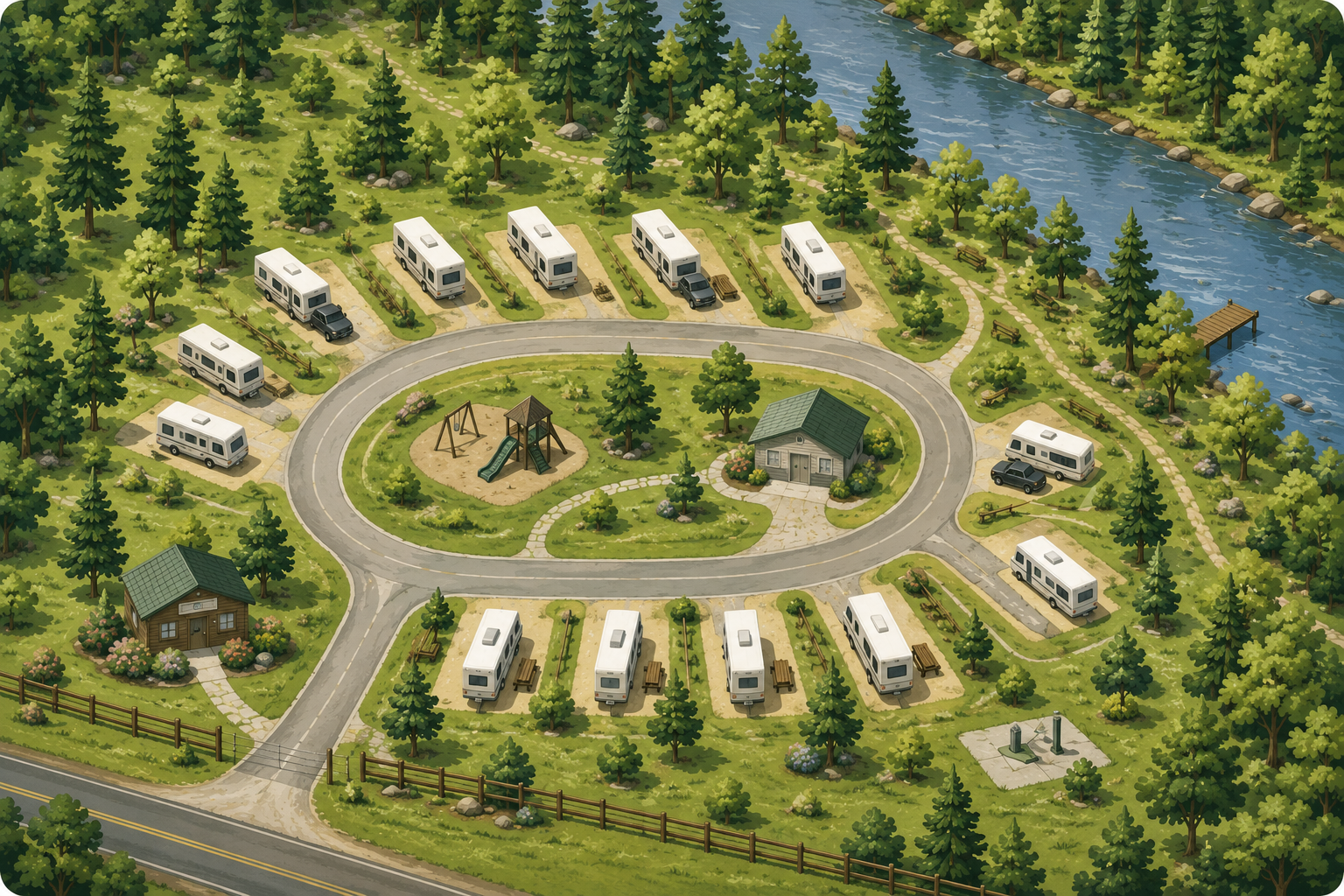
A detailed site plan is your best friend in the zoning process. It shows where campsites, roads, restrooms, and other facilities will go. This plan helps zoning officials understand your vision and assess compliance with setback, density, and environmental rules. Sometimes, hiring a professional planner or surveyor to create this plan can make a big difference.
4. Attend Public Hearings and Engage the Community
Many zoning decisions, especially those involving conditional uses, require public hearings. This is your chance to present your plans, answer questions, and address concerns. Being open and transparent builds trust and can smooth the approval process. Plus, neighbors who feel heard are less likely to oppose your campground later.
5. Obtain Necessary Permits and Licenses
Beyond zoning, you’ll likely need building permits, health department approvals for sanitation, and possibly environmental permits if your campground is near sensitive areas. Each permit has its own application process and requirements. Staying organized and proactive helps keep your project on track.
Common Zoning Challenges and How to Overcome Them
Even with the best preparation, zoning challenges can pop up. Here’s a look at some common hurdles and tips for tackling them.
Neighborhood Opposition
Campgrounds can sometimes raise concerns about noise, traffic, or environmental impact. Addressing these worries early by hosting community meetings or providing clear information about your plans can ease tensions. Offering compromises, like limiting operating hours or enhancing landscaping, often helps.
Environmental Restrictions
Many campgrounds are located in beautiful natural areas, which often come with environmental regulations. Wetlands, endangered species habitats, and water quality protections can all affect where and how you build. Consulting with environmental experts and incorporating sustainable practices can not only help you comply but also make your campground a model for eco-friendly recreation.
Changing Zoning Laws
Zoning laws aren’t set in stone. They can change with new city plans or political shifts. Staying informed by subscribing to local planning newsletters or attending meetings keeps you ahead of the curve. If laws change unfavorably, working with a zoning attorney or advocate can help you explore options like rezoning or grandfathering existing operations.
Tips for Designing a Zoning-Friendly Campground
Good design goes hand-in-hand with zoning compliance. Here are some practical tips to keep your campground both legal and inviting.
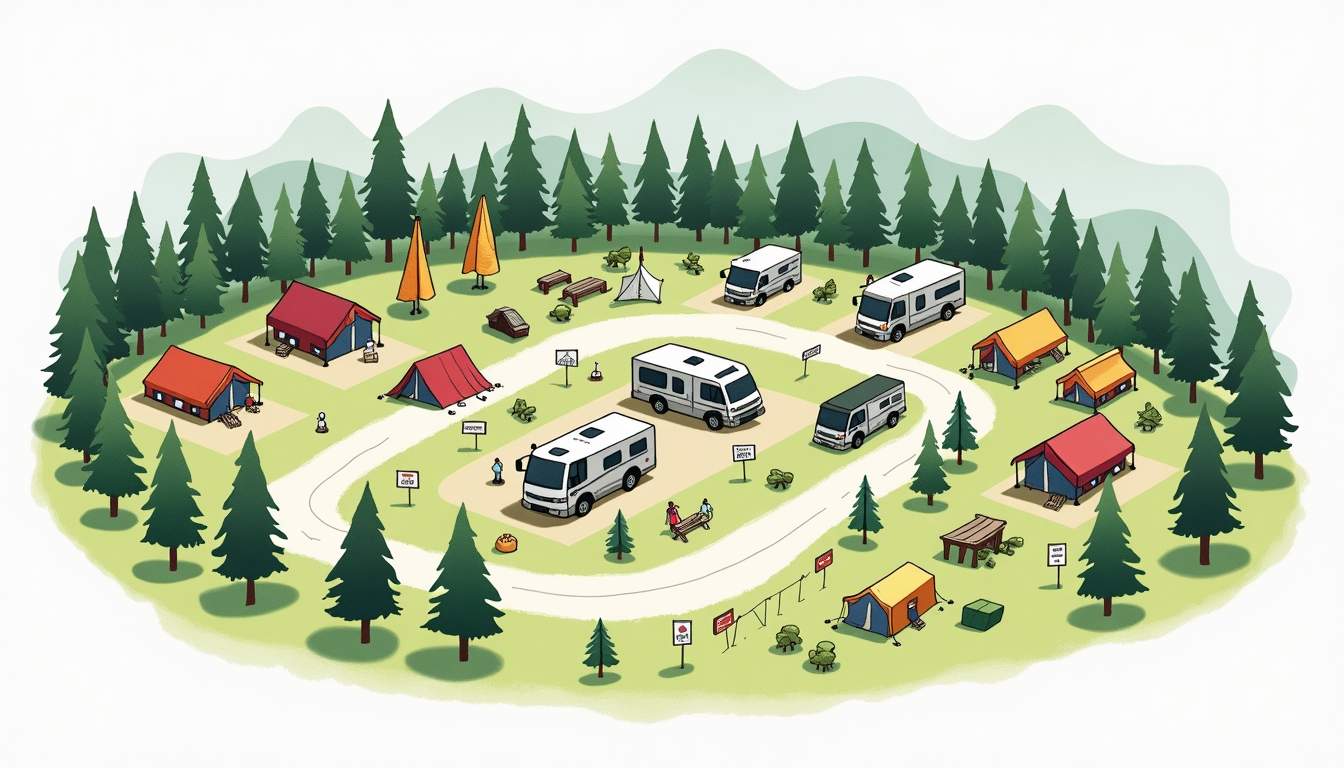
Respect Setbacks and Buffers
Setbacks are the required distances between your campground features and property lines, roads, or natural features. Buffers, like trees or fences, help reduce noise and visual impact. Planning your layout with these in mind not only meets zoning rules but also creates a more pleasant environment for campers and neighbors alike.
Plan for Adequate Parking and Traffic Flow
Many zoning ordinances require a certain number of parking spaces per campsite or visitor. Designing clear, safe traffic patterns reduces congestion and accidents. Consider separate entrances and exits if possible, and include signage to keep things running smoothly.
Incorporate Sanitation and Waste Management
Proper restroom facilities, trash disposal, and wastewater management are often regulated by zoning and health codes. Planning these systems upfront avoids costly retrofits and keeps your campground clean and welcoming.
Why Compliance Pays Off
It might feel like jumping through hoops, but zoning compliance is a smart investment. It protects you from legal troubles, fines, and forced closures. More importantly, it helps you build a campground that’s safe, sustainable, and respected by the community.

When you follow zoning rules, you’re also setting the stage for long-term success. Campers appreciate well-planned, well-maintained sites. Local officials and neighbors are more likely to support your growth. And you’ll have peace of mind knowing your dream campground is built on a solid foundation.
Final Thoughts: Your Campground Journey Starts with Zoning
Starting a campground is a fantastic way to share the joy of the outdoors and create a welcoming space for adventure lovers. Zoning might seem like a maze, but with a little research, planning, and community engagement, it’s a hurdle you can clear confidently.
Remember, you’re not alone in this. Local planning departments, zoning boards, environmental experts, and fellow campground owners are valuable resources. Embrace the process as part of your campground’s story-a story of care, responsibility, and connection to the land and community.
Ready to take the first step? Grab that zoning map, sketch out your vision, and start turning your campground dreams into reality!
As you embark on the exciting path of campground ownership, let Park With Us streamline your journey. With our user-friendly management platform, you can effortlessly handle reservations, operations, and guest communications, giving you more time to focus on what truly matters creating a memorable outdoor experience for your guests. We would happily demo our campground management software today!
FAQ
Related Stories