7 Tips for Starting a Lions Club Campground
Share:


See how Lions Clubs can use their grounds for RV camping, raise money for local programs, and manage their campgrounds with less work.
Summarize in


Lions Clubs can turn unused land into RV camping sites to bring in extra income and support local community programs. If your club already owns a park or open space, offering RV camping could be a good way to make use of the grounds. Some Lions Club campgrounds offer basic camping spots, while others have RV sites with electricity, water, and other amenities.
If your club is thinking about offering RV camping, here are 7 things to consider. We've included examples from Lions Club campgrounds in the Park With Us community!
1. Is Property Is Right for RV Camping?
Before going right ahead and creating campsites, take a close look at your property. You'll need enough space for RVs to park, turn around, and enter and exit safely. The ground should also be level and have good drainage. This is especially important during rainy or snowy weather.
Think about how camping might affect other activities on your grounds. If your club hosts festivals, meetings, or community events, you'll want to make sure campers have their own space.
The location of your property is another important factor. Properties near highways, tourist attractions, fairgrounds, or sporting events may attract travelers who need a place to stay.
Here are some questions to get you thinking:
- How many RV sites could fit on the property?
- Do we already have electricity, water, or restrooms?
- Will camping interfere with other club activities?
- Are there enough visitors in the area to support camping?
Example: Millet Lions Campground, Alberta
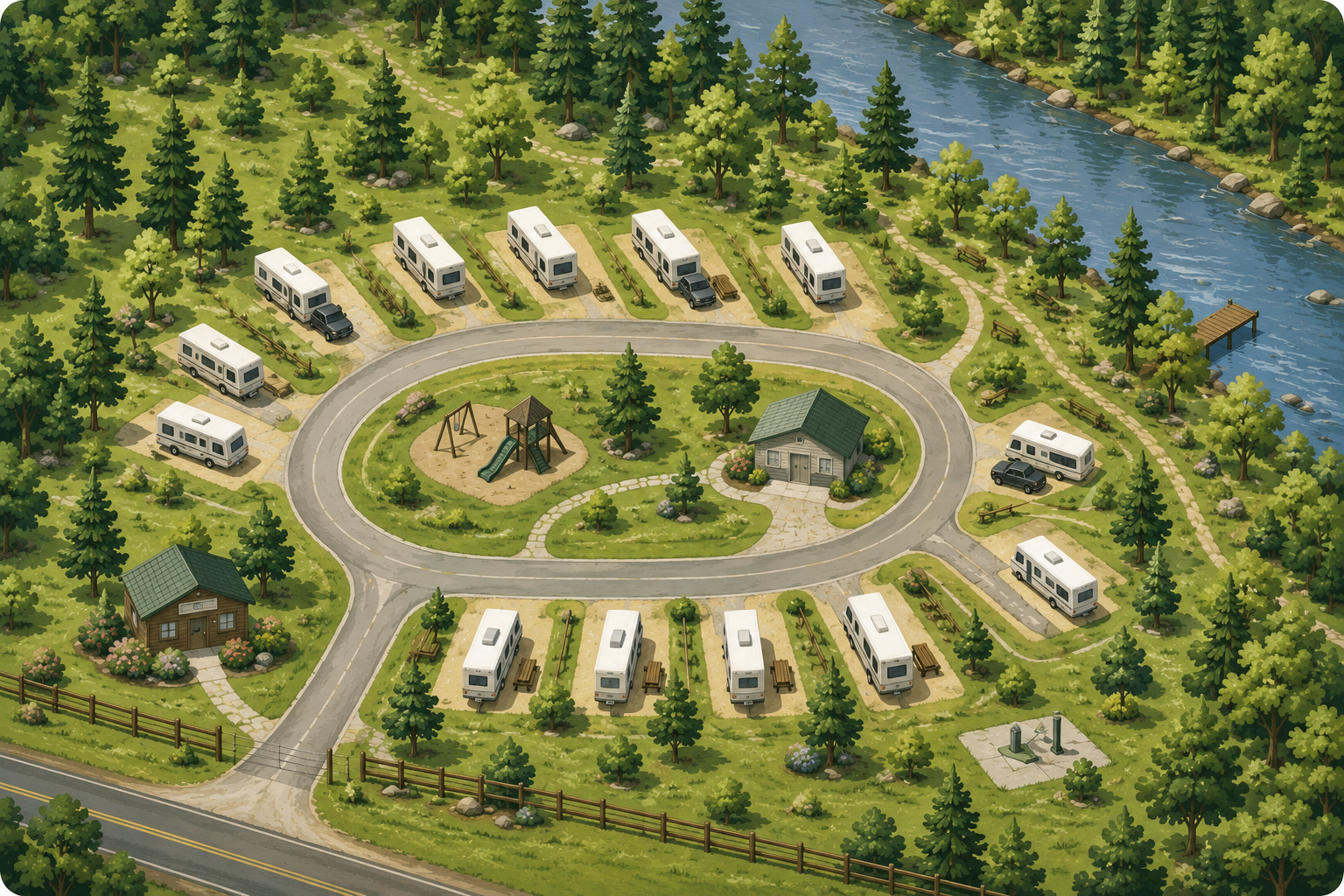
Millet Lions Memorial Campground in Millet, Alberta, offers pull-through RV sites, tent camping, and shared facilities such as picnic areas and fire pits. You can see how campsites, roads, and shared spaces can be organized within one property.
When planning your own campground, think about how guests will move through the grounds, where different types of campsites will be located, and how campers will access shared amenities.

2. Choose Your Campsites and Amenities
The types of campsites and amenities you offer will depend on your budget, the utilities already available on your property, and what campers are looking for.
Here are some common options:
- Unserviced sites: A place to park an RV without hookups.
- Electric sites: Campsites with access to electricity.Water and electric sites:
- Campsites with both water and electrical connections.
- Full-hookup sites: Campsites with water, electricity, and sewer connections.
- Tent sites: Designated spaces for tent camping.
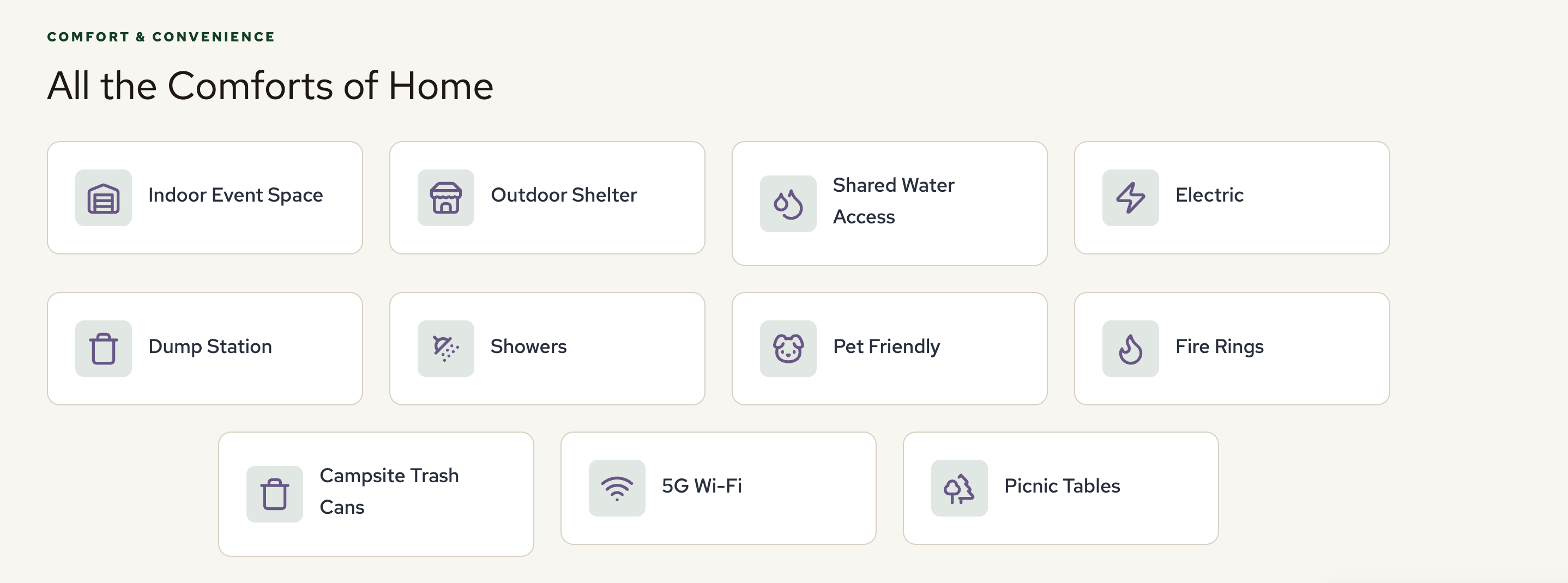
Look at the facilities you already have. Restrooms, picnic shelters, playgrounds, and open recreation areas can make your campground more appealing without requiring major construction. Keep maintenance in mind, too. Showers need regular cleaning, trash must be collected, and utilities need to be maintained.
Real Example: Clermont Lions Club Park, Indiana
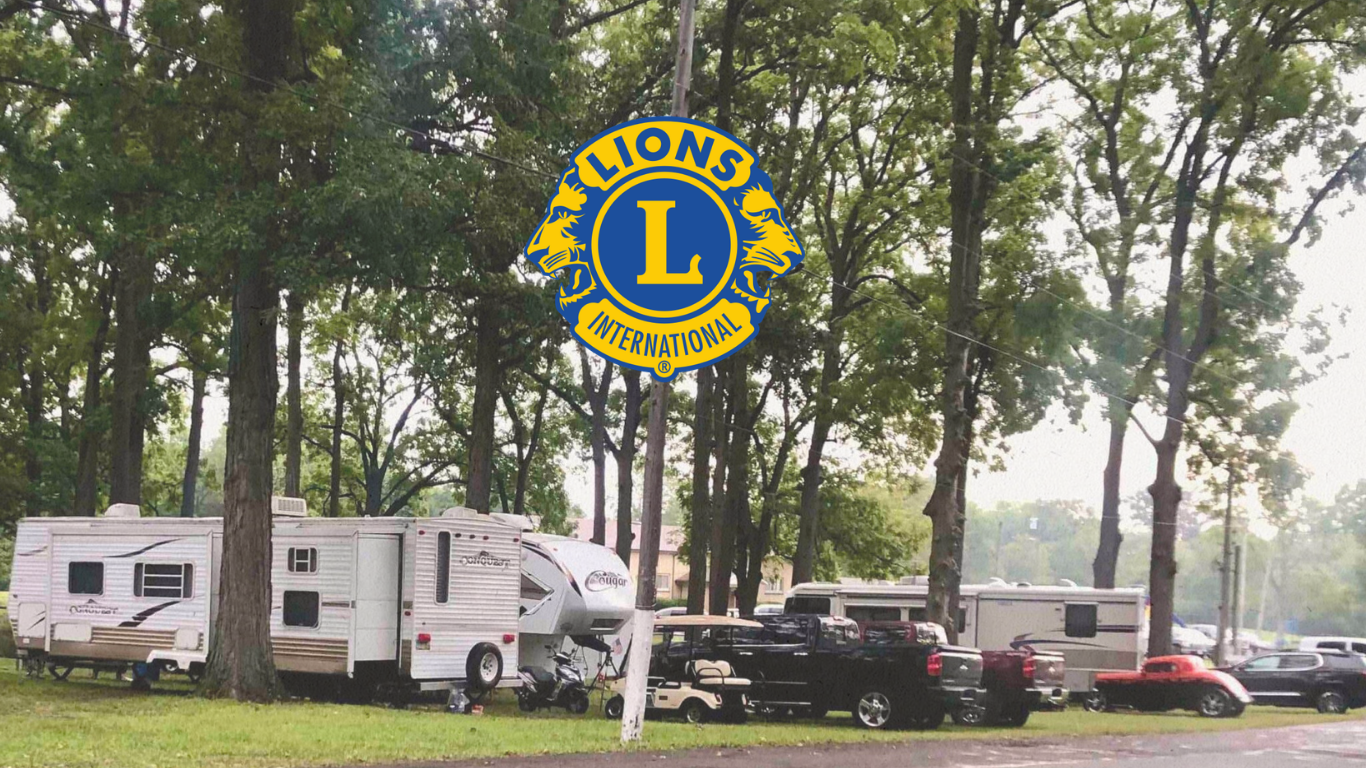
Clermont Lions Club Park is a good example of how a Lions Club can offer RV camping while making use of existing amenities and facilities on its property.
3. Check Local Rules & Requirements
Before turning a portion of your property into a campground, check with your local government to make sure RV camping is allowed. Depending on your state, county or city, you may need permits or approvals related to zoning, fire safety, utilities, and waste disposal. Your club should also check whether its insurance covers campground operations.
If everything is good to go - create campground rules before accepting any guests. These should cover things like quiet hours, pets, campfires, parking, and how long visitors can stay.
If volunteers will be running the campground, make sure everyone knows who is responsible for maintenance, answering guest questions, and handling emergencies.
Real Example: Nanton Lions Campground, Alberta
Nanton Lions Campground has rules to help keep the campground safe and enjoyable for everyone. Pets must be kept on leashes, quiet hours are from 11 p.m. to 7 a.m., and campers can stay in one spot for up to 14 days. Guests must also keep their campsites clean and throw away trash in the provided dumpsters.
Posting clear rules helps campers understand what is expected of them and makes it easier for staff and volunteers to manage the campground.

4. Set Rates That Support Your Club
Camping fees can help cover the cost of running your campground while bringing in extra money for community projects. To set your rates, start by adding up expenses like electricity, water, trash collection, insurance, maintenance, and payment processing. Then compare your costs with what similar campgrounds in your area charge.
Consider offering different rates based on campsite amenities. Sites with electricity and water, for example, may cost more than basic sites without hookups. You might also offer weekly or monthly rates or adjust your prices during popular local events.
Your rates should cover the cost of operating the campground while leaving room to raise funds for your club's community programs.
5. Make Reservations Easier to Manage
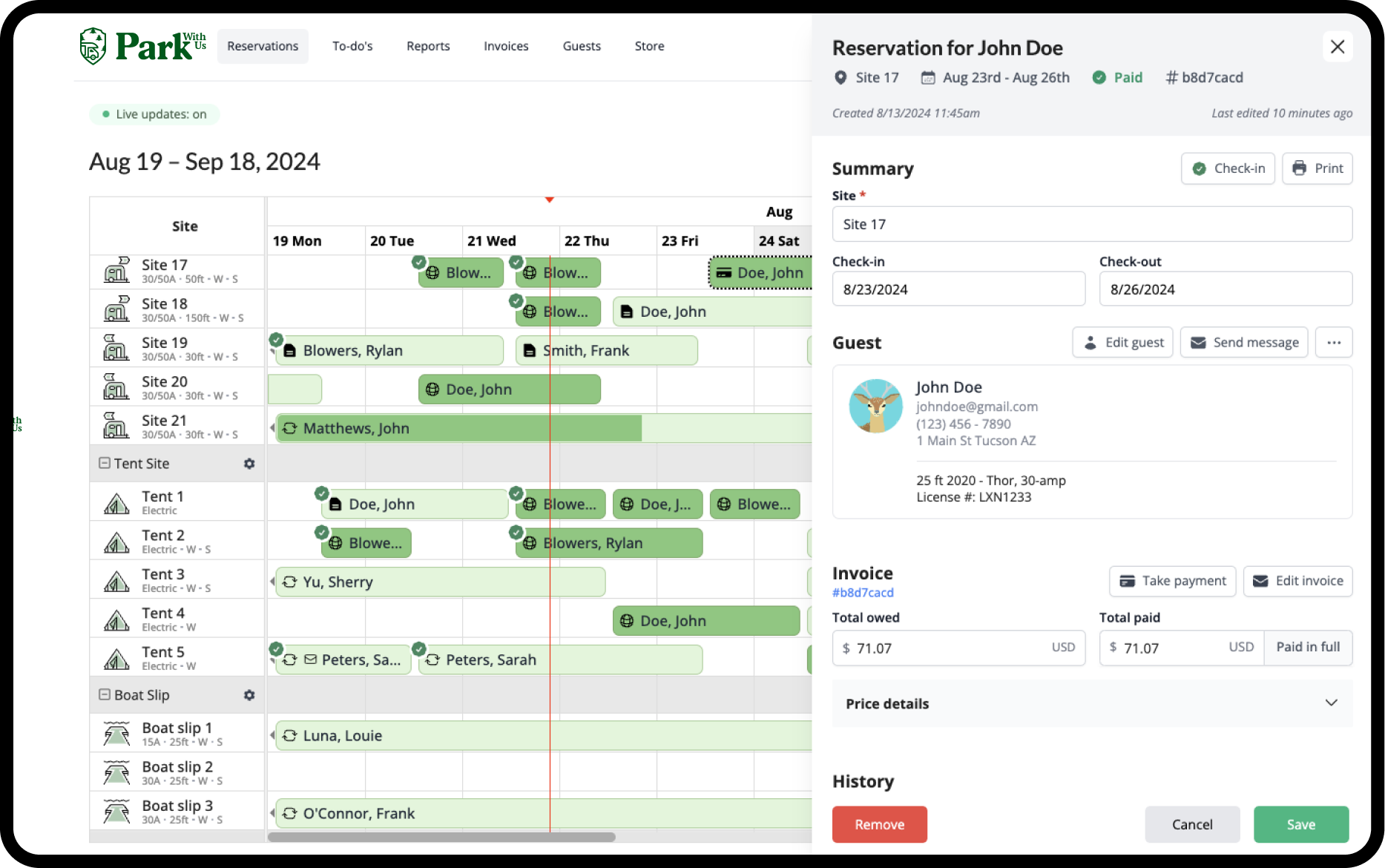
Even a small campground needs a way to keep track of reservations, payments, and available sites. Online booking software can make this easier by allowing guests to check availability, choose a campsite, and book their stay without having to call someone at the club. It also gives volunteers one place to manage reservations and keep track of payments.
For clubs looking for a great option, Park With Us offers free campground management software with online booking, a reservation calendar, and payment tools. There are no monthly software fees or minimums, though applicable payment-processing and transaction fees still apply.
Having these tools in place can save your club time and make it easier to manage the campground during busy periods.
6. Help Campers Find Your Campground
Having a website or online booking page makes it easier for travelers to find your campground. Include important details like campsite types, rates, amenities, directions, operating dates, and how to make a reservation so campers can plan their stay. Additionally, adding photos of your campsites and facilities can also help guests know what to expect before booking.
Another helpful look is Google Business Profile. Make sure to keep your listing updated with current information and photos so travelers can find you through Google Search and Maps. If your campground is near popular attractions or local events, highlight those on your website. You can also work with local tourism groups and event organizers to help spread the word.
Real Example: Foothills Lions Club, Diamond Valley, Alberta
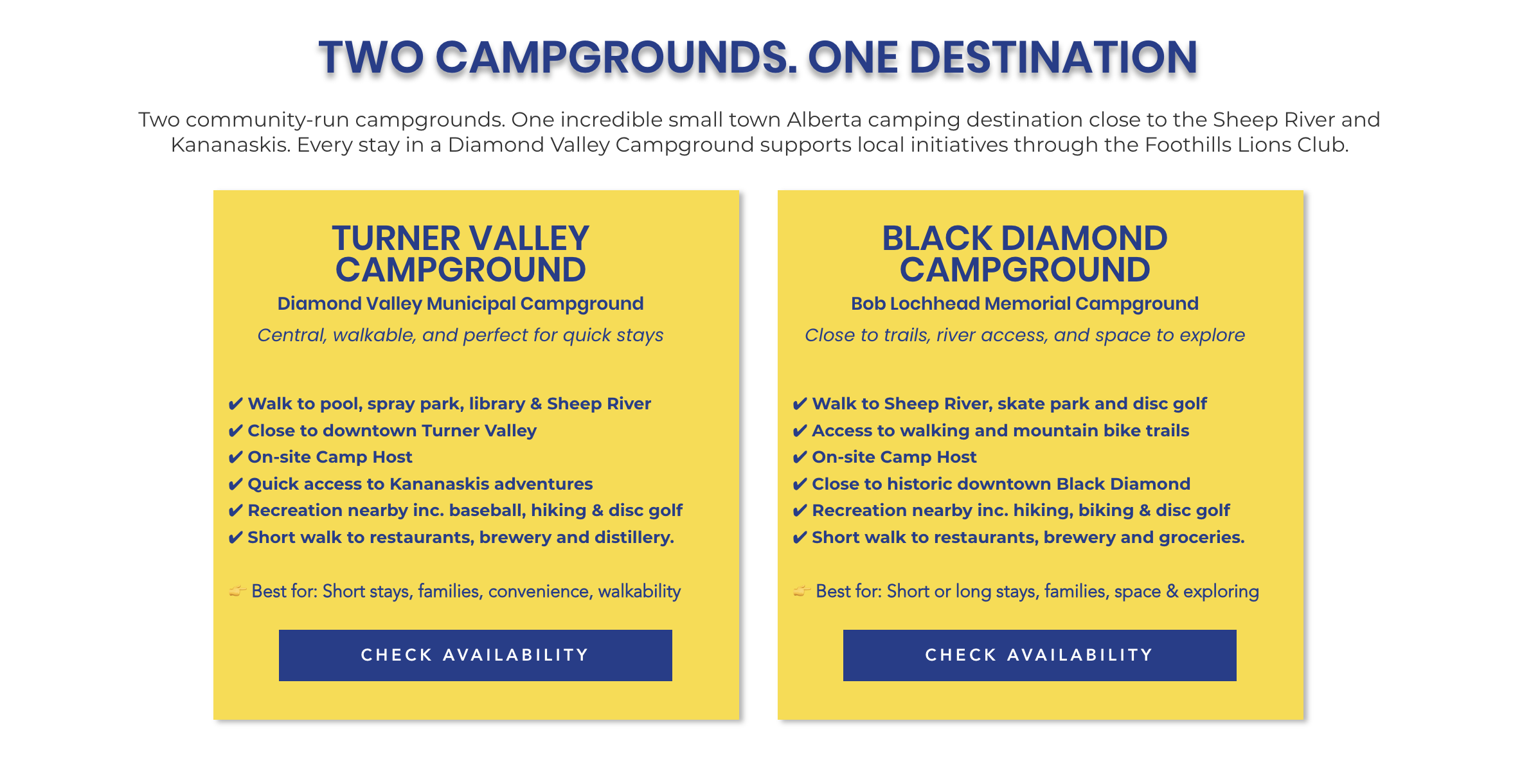
As an example, the Foothills Lions Club operates two campgrounds in Diamond Valley, Alberta: Diamond Valley Municipal Campground and Bob Lochhead Memorial Campground. Each offers a different experience and locations.
The club's website makes it easy for visitors to compare the two campgrounds, with photos, information about nearby attractions, and links to check availability and book a stay. It also explains how camping fees help support local events and community programs, giving guests another reason to choose a Lions Club campground.
7. Use Camping Revenue to Support Your Community
Running a campground can give your Lions Club a steady source of income during the camping season. After covering expenses like utilities, maintenance, and repairs, the club can put any remaining funds toward local projects and community programs.
For example, campground revenue could help pay for playground improvements, community events, youth sports programs, or donations to local charities. How the money is used will depend on your club's priorities and the needs of your community.
Need Help Managing Your Lions Club Campground?
Running a campground takes time, especially when club members volunteer to handle reservations and daily operations. Park With Us offers free campground management software to help keep bookings, payments, and guest information organized.
Get in Touch to learn how Park With Us can help your Lions Club.
FAQ
Related Stories